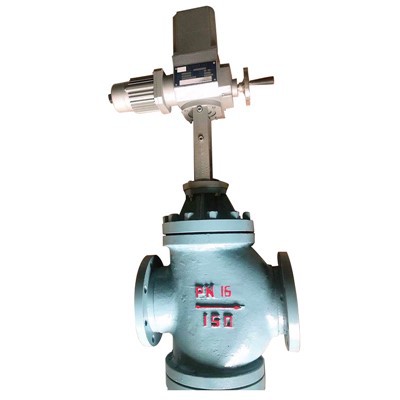


Control valve

Overview
Throttle alve, also known as control valve, is a device that uses power operation to change fluid flow in a process system. Because the International Electrotechnical Commission (IEC) defines the throttle valve (called Control Valve abroad) as: "The terminal element formed by the force-operated device in the process system, which includes a net part, and there is a changing process inside. The body part of the fluid flow rate is connected with one or more actuators. The actuator is used to respond to the signal sent by the control element. The regulator is composed of two parts: the actuator and the valve part. The actuator is the driving device of the regulating valve, which generates a corresponding thrust according to the signal pressure, so that the push rod produces a period of displacement, thereby driving the spool of the modulating valve to move. The valve part is the modulating part of the modulating valve. It is directly connected with the medium and through the displacement of the actuator push rod, the throttling area of the regulating valve is changed to achieve the purpose of regulation. Control valves are mainly divided into three types: pneumatic control valves, electric control valves, and hydraulic control valves according to their energy sources. The difference lies in the matching actuators. The pneumatic control valve uses compressed air as the power source, and is equipped with a pneumatic actuator; the electric control valve uses electricity as the power source, and is equipped with an electric actuator; the hydraulic control valve uses hydraulic pressure as the power source, and is equipped with an actuator. According to needs, the moduulating valve can be equipped with various accessories to make it more convenient to use, more perfect in function, and better in performance. These accessories include valve positioners, handwheel mechanisms, and electrical converters


Valve bonnet form


Choice of valve body material
Basic principles of material selection
High temperature material
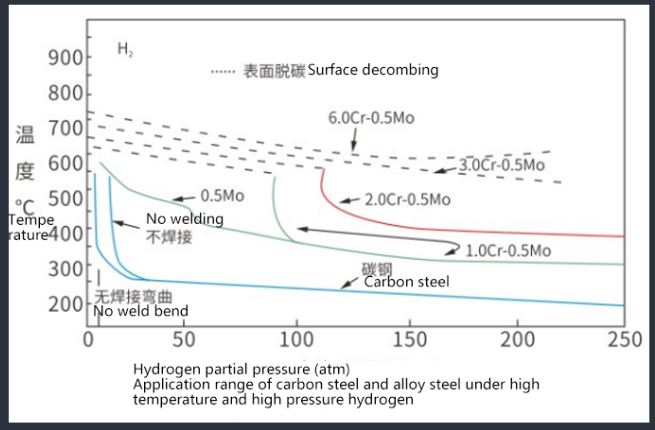
As a high-temperature material, it is necessary to fully consider the high-temperature strength, the change of the metallographic structure at high temperature and the corrosion resistance. It is generally required that alloy steel materials contain chromium, nickel, and molybdenum elements. In addition, at high temperature and altitude, steel is corroded by hydrogen, which generally causes decarburization and embrittlement. After metal elements such as chromium, nickel, molybdenum are added to the steel, it combines with carbon elements to improve the hydrogen corrosion resistance of the steel.

Cryogenic material
When selecting low-temperature materials, it is necessary to fully consider the low-temperature impact value of the material, and also consider the brittleness of the material that reduces toughness at low temperatures. Therefore, the materials used under low temperature conditions must have sufficient toughness at low temperatures. The steel materials used for valves at different temperatures must reach the impact energy specified in the standard at the applicable temperature to be safe and reliable. Austenitic stainless steel has relatively stable low-temperature mechanical properties, so it is often used.
Cavitation resistant material
When the fluid is a liquid, especially when flashing or cavitation occurs, the cavitation resistance of the material must be fully considered. Cavitation-resistant materials are mainly divided into two types:
a. High hardness material. (The heat treatment method increases the hardness);
b. A material with a strong oxide layer, high toughness and fatigue strength. (Surface heat treatment improves the surface hardness of the material);
c. Locally hardened materials. (surfacing treatment);
Corrosion resistant material
The amount of corrosion of metal materials is generally divided into general corrosion, crevice corrosion, intergranular corrosion, hole corrosion, stress corrosion, etc. No single material is resistant to all kinds of corrosion. In fact, the corrosivity of materials is also related to fluid type, concentration, temperature, and whether the fluid contains oxidant and flow rate, which makes the selection of materials more complicated. Commonly used corrosion-resistant materials for control valves are mainly lining materials such as PTFE and F46, or various special metals such as austenitic stainless steel, 20# alloy steel, Hastelloy B, Hastelloy C, and titanium with high cost.
Valve Internal Component Material
The main method of hardening treatment
Commonly used materials for valve inner components are SUS304, SUS316, SUS316L. SUS410, SUS420, etc., according to different fluid conditions, corresponding treatment should be carried out. Hardening must be carried out for controlling cavitation fluid, fluid containing solid particles, and high temperature and high pressure occasions. treatment to prolong the service life of the valve.
Heat treatment
a.304/316 solution treatment This series of materials is austenitic stainless steel and is mainly used in corrosive media or low temperature applications. When the medium is highly corrosive, it must be treated with solid solution. The purpose of solution treatment is to improve the hardness and corrosion resistance of materials. Temperature range -196~530°C
b.410/420 quenching and tempering treatment (quenching + tempering) This series of materials is martensitic stainless steel, which is an excellent cavitation-resistant material, and it must be quenched and tempered when used in high-temperature and high-pressure differential applications. The purpose of quenching and tempering treatment is to greatly increase the hardness of the material and prolong the service life under severe working conditions. Temperature range -45~425°C
c.17-4PH precipitation hardening treatment On the basis of the chemical composition of stainless steel, different types and quantities of strengthening elements are added, and different types and quantities of carbides, nitrides, carbides and intermetallic compounds are precipitated through the precipitation hardening process, which not only improves the strength of the steel but also maintains sufficient toughness. A class of high-strength stainless steel, referred to as precipitation hardening. Temperature range -45~425°C
Surface hardening
Surface heat treatment is divided into two categories: surface quenching and surface chemical heat treatment. a. Flame heating surface quenching, contact electric heating surface quenching, induction heating surface quenching, etc. b. Carburizing, nitriding, carbonitriding, boronizing chromium, copperizing, etc.
Surfacing treatment
Stellite surfacing (main components Co, Cr, W) is a commonly used hardening treatment method with excellent corrosion resistance. There are two methods of Stellite surfacing welding, full surfacing welding and partial surfacing welding. There is no standard regulation for the specific surfacing welding method, and it usually depends on the different pressures and temperatures of the fluid and whether the fluid contains particles. The types of surfacing welding are as follows:

Selection of sealing material in the valve
Introduction of balance seal ring
Spring-activated PTFE seals are high-performance seals with special springs inside U-shaped PTFE. Appropriate spring force plus system flow pressure pushes out the sealing working lip and gently presses the sealed surface to produce a very good sealing effect. Its sealing working lip is optimally short and thick for reduced friction and longer life.

Hot Tags: dn80 electric operated water flow control valve, China, manufacturers, suppliers, factory, buy, price, quotation, Electric Ball Valve, Electric Regulating Valve, Control Valve Actuator, Electric Damper Valve, Motorized Control Valve, 4 20ma Flow Control Valve