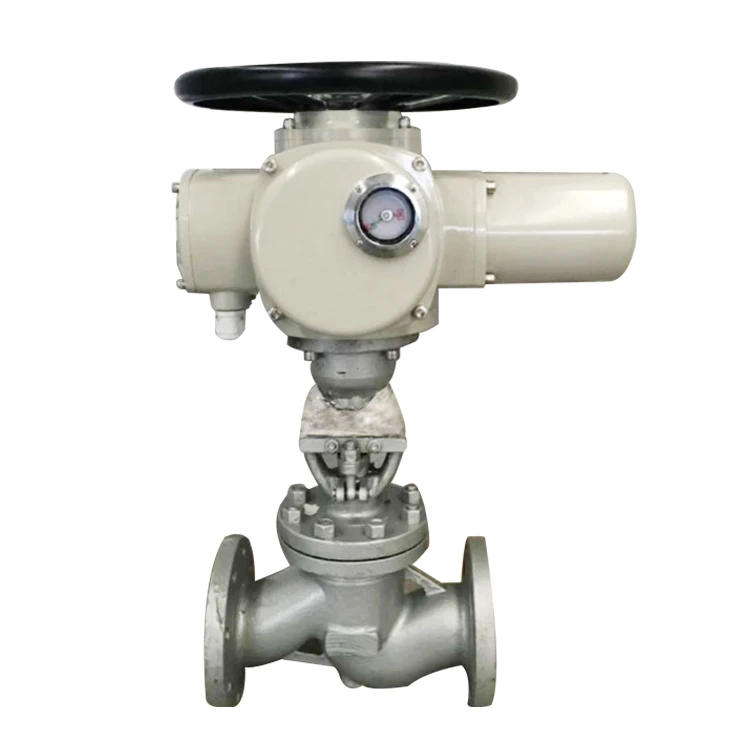
Control valve, also known as regulating valve, is used to control the size of the fluid. When the valve regulating part receives the regulating signal, the valve stem will automatically control the opening and closing degree of the valve according to the signal, thereby adjusting the flow rate and pressure of the fluid; it is often used in pipelines such as heating, gas, and petrochemicals.
The globe valve, also known as the gate valve, can completely seal the valve seat outlet by rotating the valve stem to apply pressure, thereby preventing the flow of fluid; the globe valve is often used in some corrosive gases and liquid pipelines such as natural gas, liquefied gas, and sulfuric acid.
The gate valve, like a gate, controls the fluid by rotating the valve stem and controlling the gate to move vertically up and down. The sealing rings on both sides of the gate can completely seal the entire cross section. The gate valve can only be fully opened and fully closed, and cannot be used as a valve to adjust the flow; the gate valve is mainly used as a interception device on pipelines such as tap water, sewage, and ships.
The swing check valve opens the valve cover by the pressure of the fluid. When the pressure of the fluid in the valve inlet and outlet pipelines is balanced, the valve cover can be closed by its own gravity to prevent the fluid from passing through. Its main function is to prevent the fluid from flowing back. It belongs to the automatic valve category; it is mainly used in pipelines such as petroleum, chemical, and pharmaceutical.